Written by: Elena Hartwell
Dave Patrick was born in Montreal, Canada, and his connection with aviation began early in his life.
By the age of nine, Dave had already built a number of control-line models and had begun designing, building, and flying free-flight aircraft of his own. At 10, he built and flew his first radio-controlled model, a Jr. Falcon using a single-channel radio system. He managed several successful flights before the airplane eventually flew away, an early chapter in what would become a lifetime spent around airplanes.
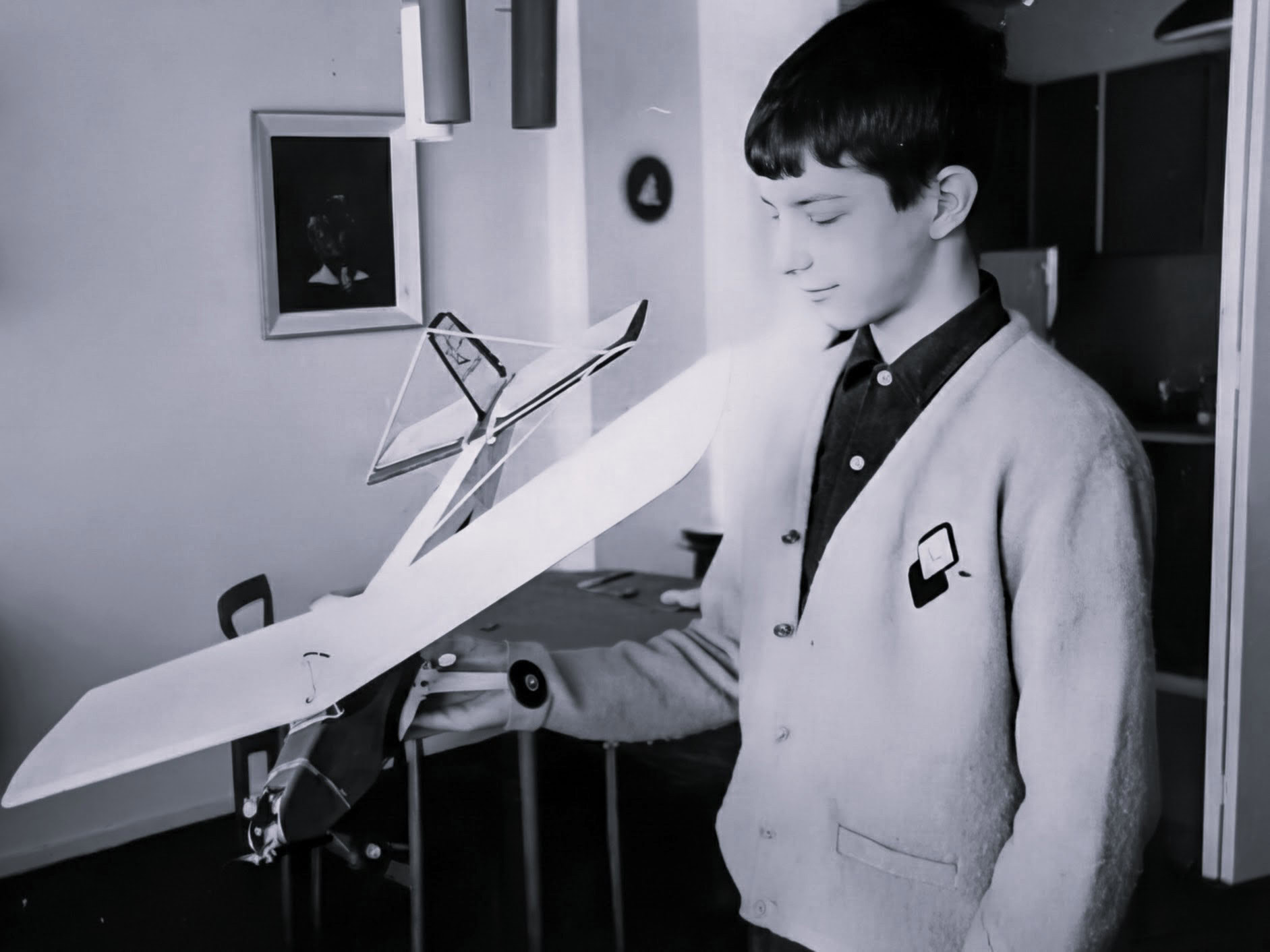
Dave remained active in model aviation as he grew older, steadily building the experience that would later define his competitive and professional career.
At 25, his good friend Jerry Pronovoust introduced him to pattern aerobatics with the gift of a .60-size Lightning B pattern ship. It proved to be an important turning point.
Dave began competing in the Advanced class and quickly showed both the precision and discipline that pattern flying demands. Success followed, and before long his attention was firmly focused on F3A precision aerobatics. The discipline suited him well.
F3A is among the most exacting forms of radio-controlled flying. Maneuvers are judged not simply on completion, but on geometry, positioning, smoothness, consistency, and control throughout the entire sequence. It rewards pilots who understand not only how to maneuver an airplane, but how to manage its energy and present each figure with accuracy.
Dave built an exceptional record in that environment.
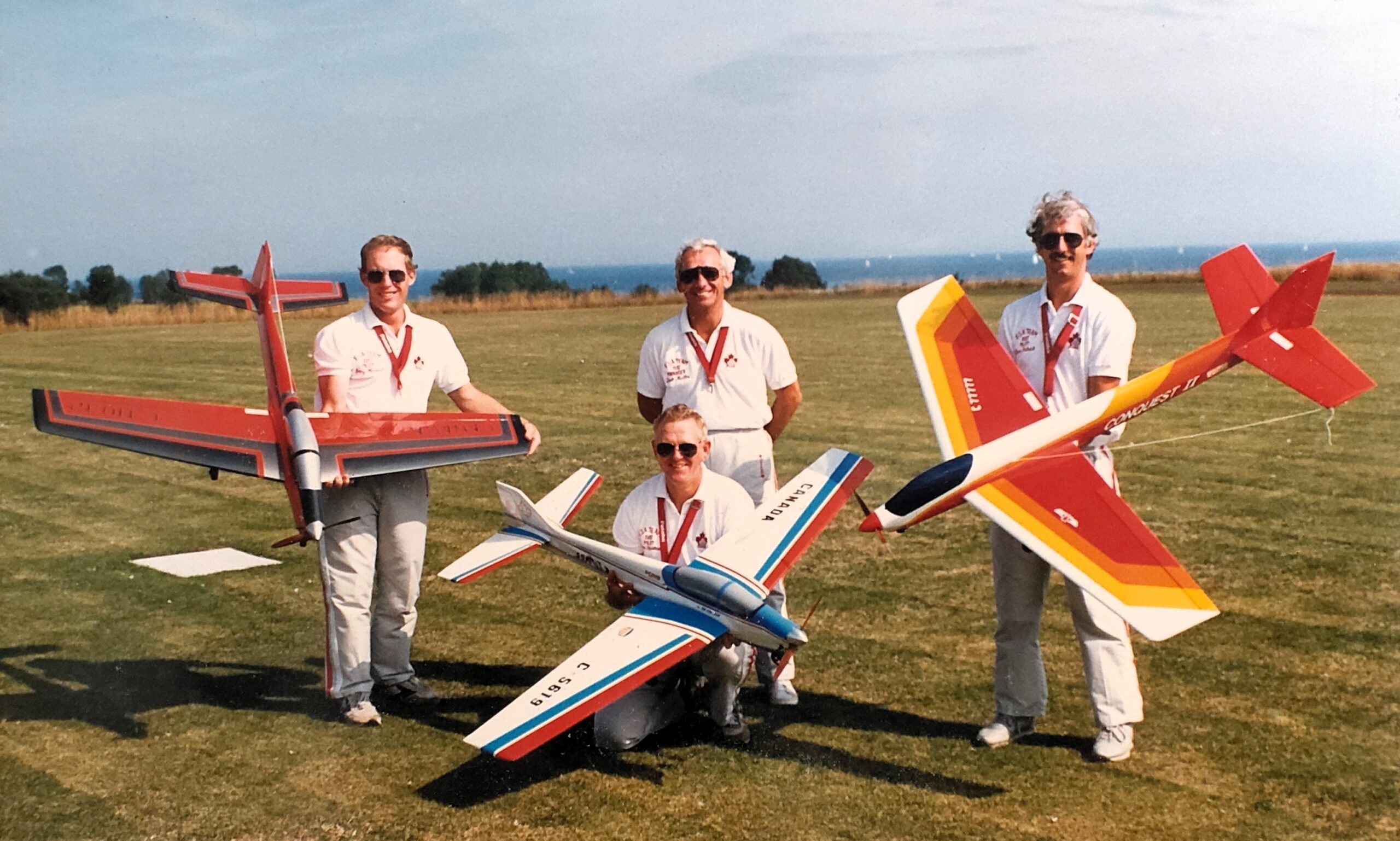
He became Canadian National Champion three times and represented Canada internationally on five occasions. His first World Championship came in 1987 in France, where he flew as a member of the Canadian team.
Over the course of his international competition career, Dave’s World Championship record included gold, silver, and bronze medals. He won the Tangerine International twice and has won or placed in more than 100 aerobatic competitions.
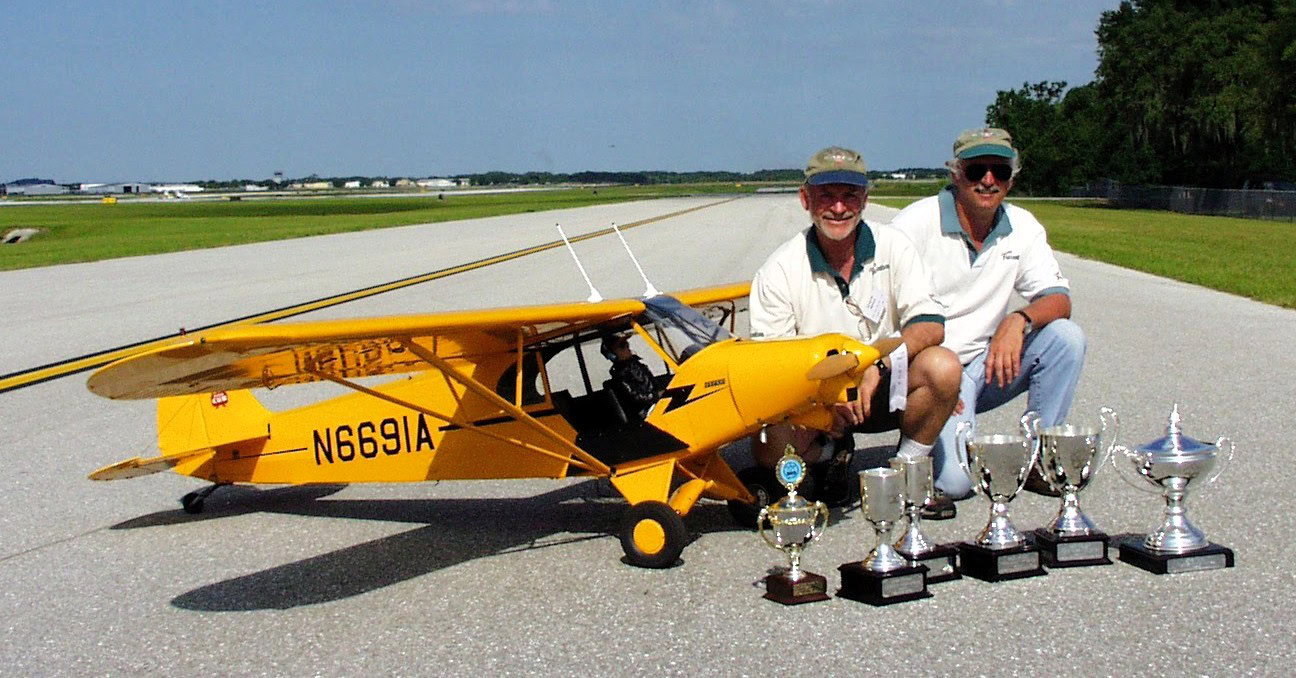
That level of success also brought invitations to some of the most important events in radio-controlled aviation.
Dave was invited to the Tournament of Champions in Las Vegas five times, competing among many of the leading aerobatic pilots of the era.
He was also invited to Top Gun in Florida five times, winning three times and finishing second twice.
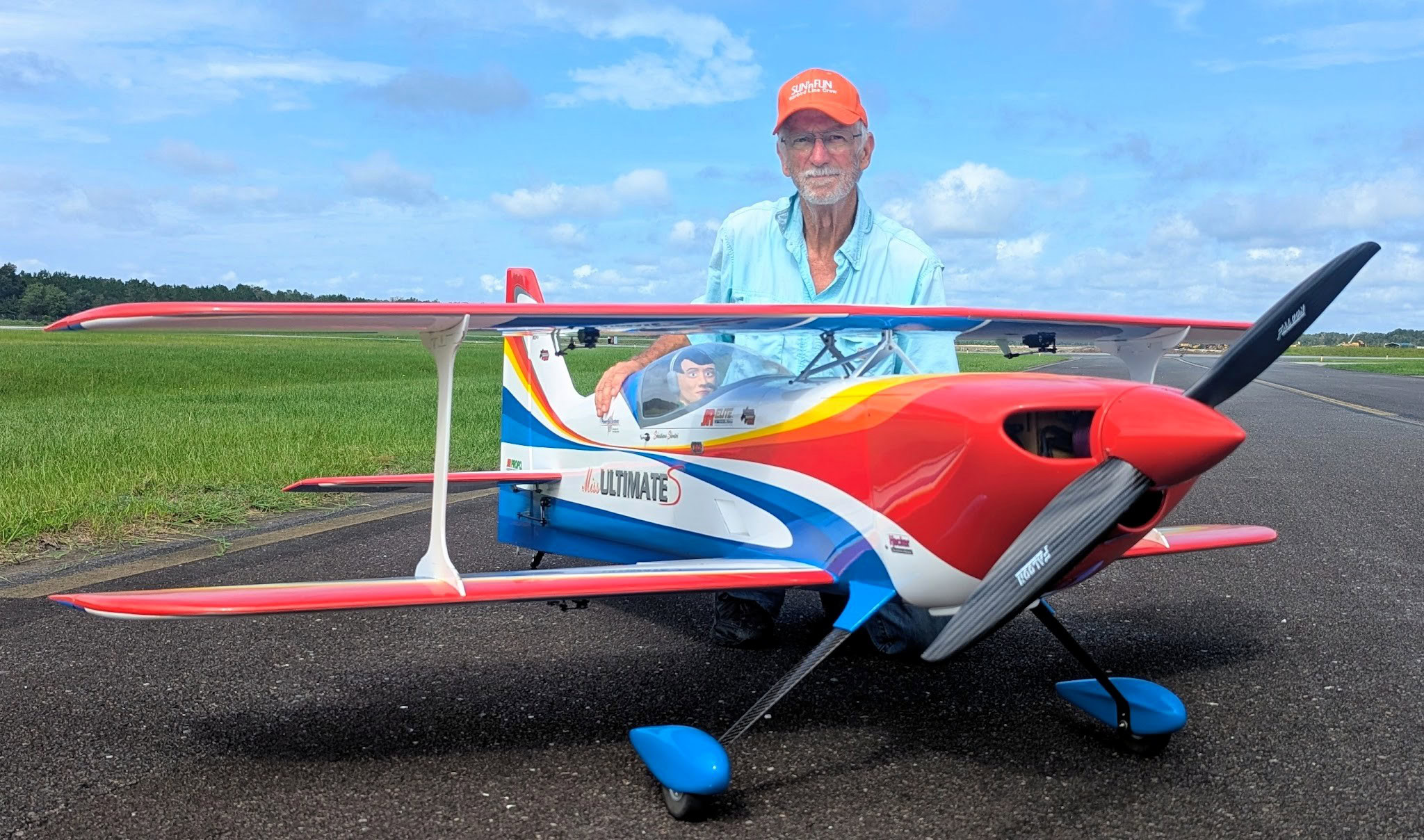
One of those Top Gun appearances became a particular highlight of Dave’s career. His flying produced a score that remained a benchmark at the event for more than 25 years. The competition also brought additional honors, including Pilots’ Choice recognition and awards associated with the aircraft’s performance and static judging.
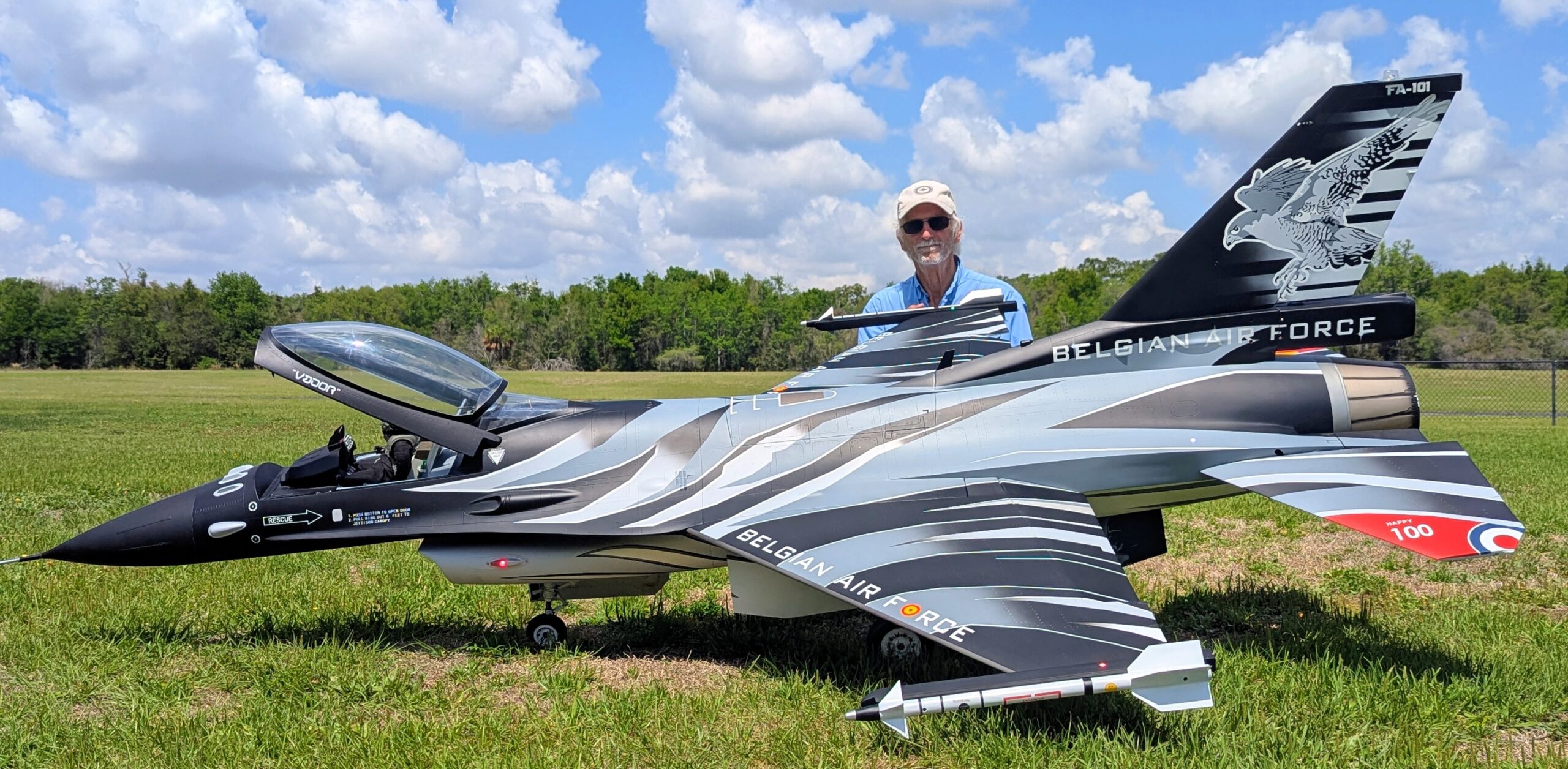
It was an achievement that reflected both sides of serious scale competition: the quality and accuracy of the aircraft itself, and Dave’s exceptional ability to fly and present it with the precision, control, and realism demanded at the highest level.
Dave also won the Scale Masters twice, further adding to a competition record that extended well beyond precision aerobatics.
More recently, Dave was invited to compete in the Ace of Aces RC Scale Invitational and was twice asked to perform in the noontime show.
Although aerobatics and scale competition have been central to his career, Dave’s flying experience has always been broad. Over the years he has flown RC helicopters, fun-fly competition aircraft, turbine jets, and pylon racers, demonstrating the versatility that comes from a deep understanding of aircraft and flight.
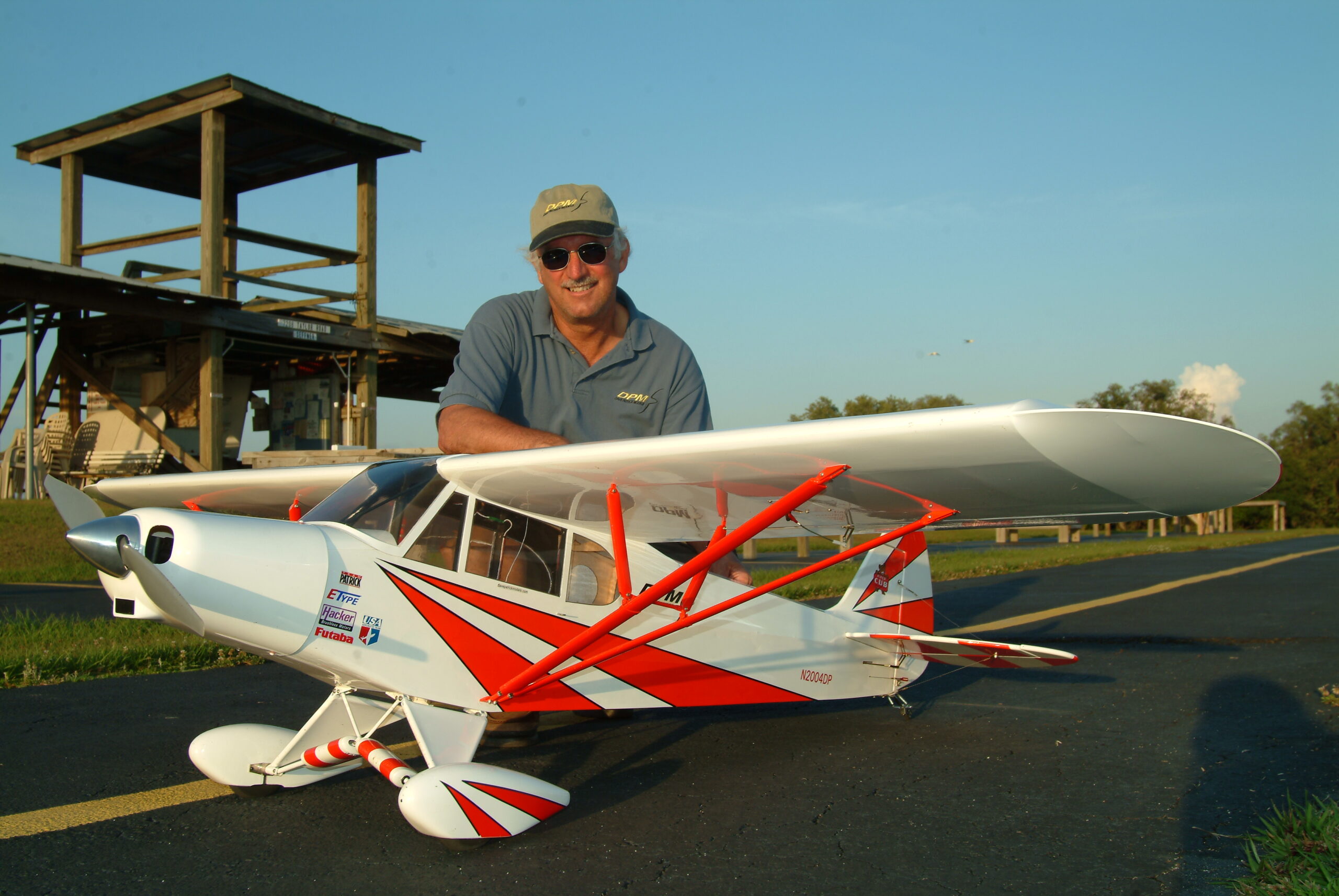
His contribution to the sport has also extended far beyond competition.
Dave appeared in a number of instructional videos, including the highly successful Wring It Out series and Smoke On. These programs gave modelers the opportunity to learn from a pilot who had spent years refining the fundamentals of precision and aerobatic flying.
For 10 years, Dave authored the column Aerobatics for Everyone, sharing his experience with pilots who wanted to improve their flying and better understand aerobatic technique.
The column eventually led to the book Aerobatics for Everyone, which sold more than 50,000 copies.
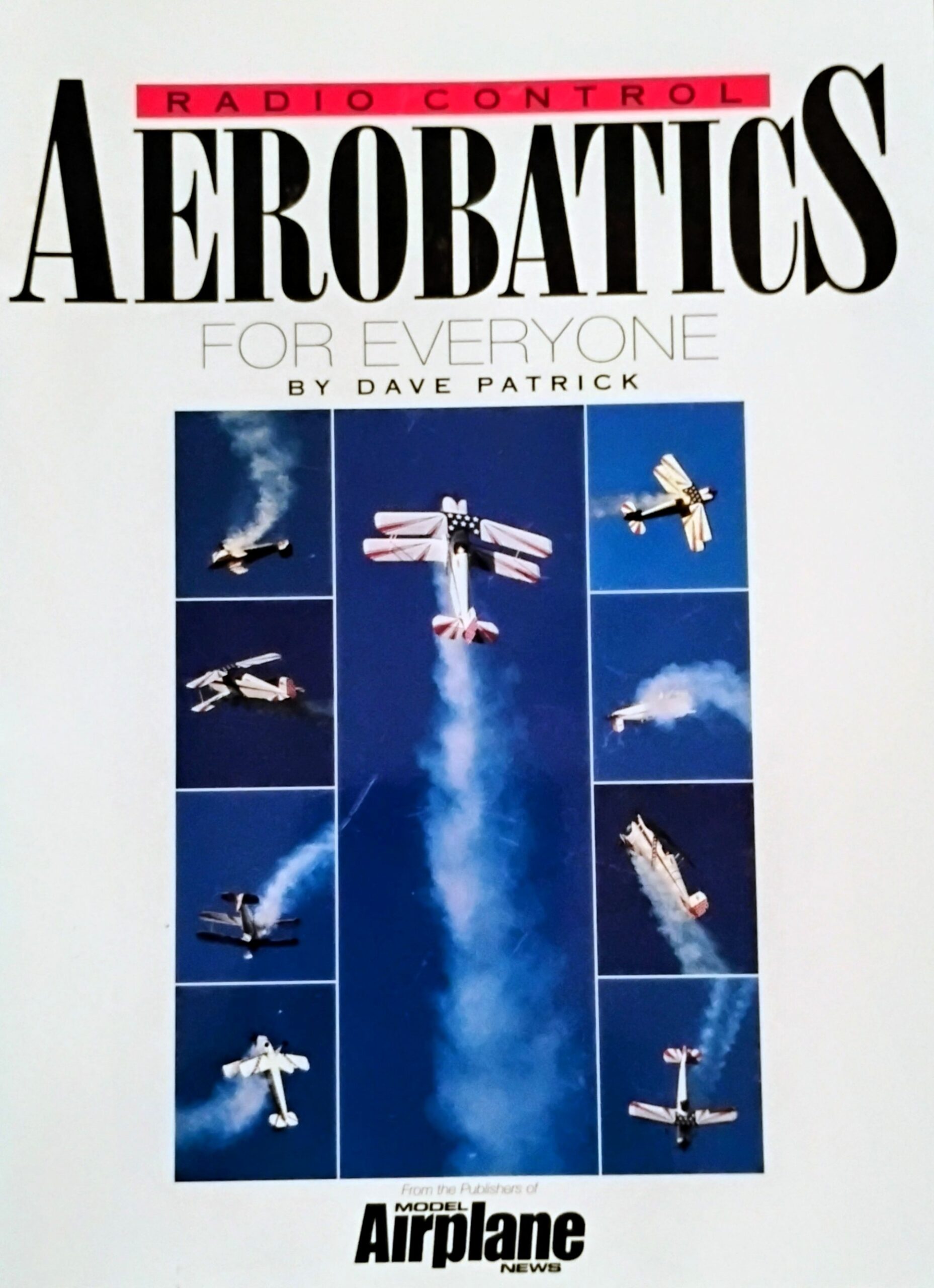
The title reflected an approach Dave has carried throughout his career. Advanced flying begins with fundamentals, and those fundamentals can be taught. Good aerobatics depend on understanding attitude, power, timing, aircraft positioning, energy management, and precise control.
Dave has spent decades helping other pilots understand those principles.
His involvement in radio-controlled aviation has taken him around the world. Dave has traveled internationally to promote RC flying and has performed demonstration and exhibition flights in Taiwan, Colombia, Brazil, Mexico, Indonesia, Thailand, Poland, France, China, and Japan.
He has flown in every state in the United States except Hawaii and has competed and performed extensively throughout Canada, including appearances in Calgary, British Columbia, Montreal, Quebec City, Ottawa, and Nova Scotia.
His influence on model aviation also extended into aircraft design and the industry itself.
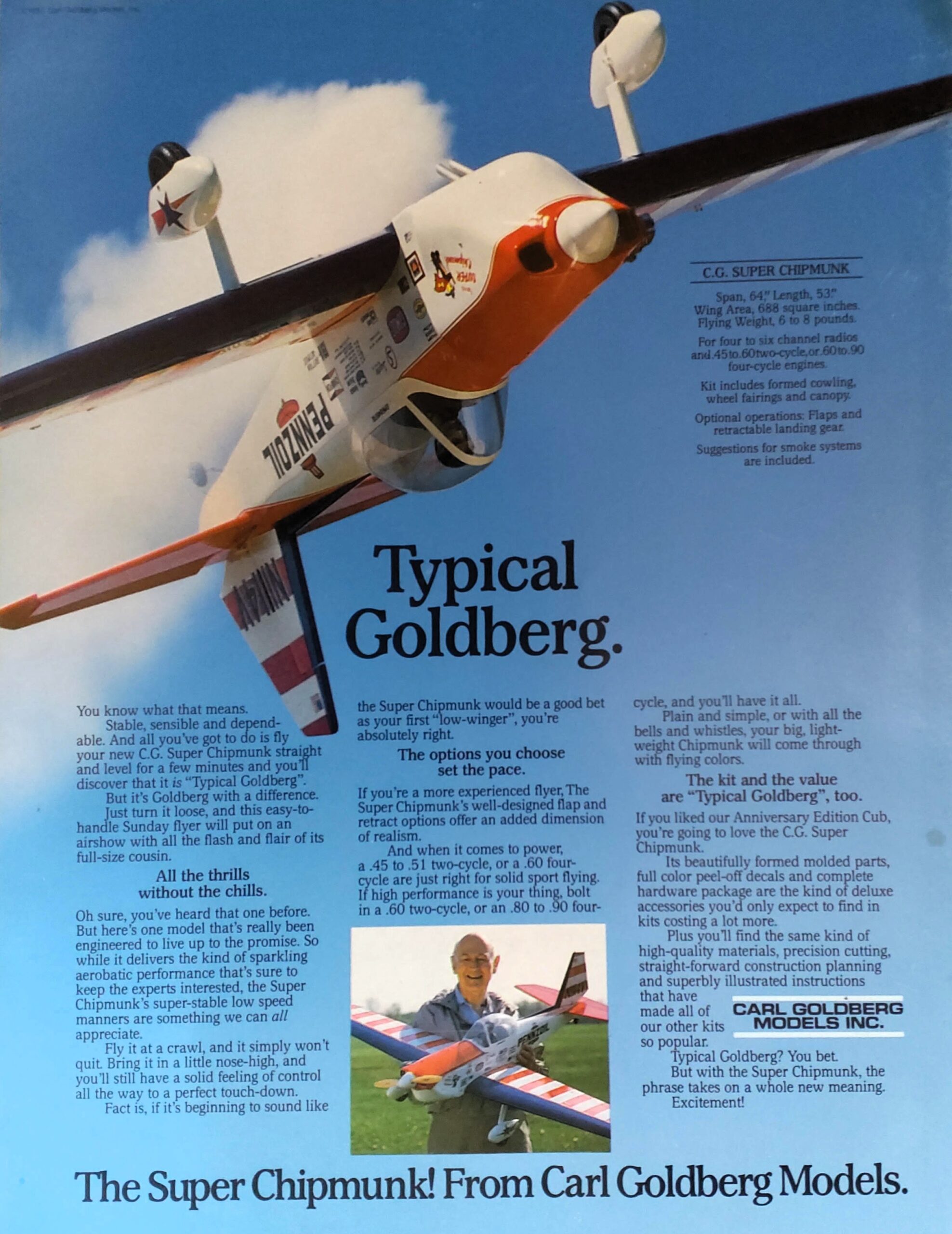
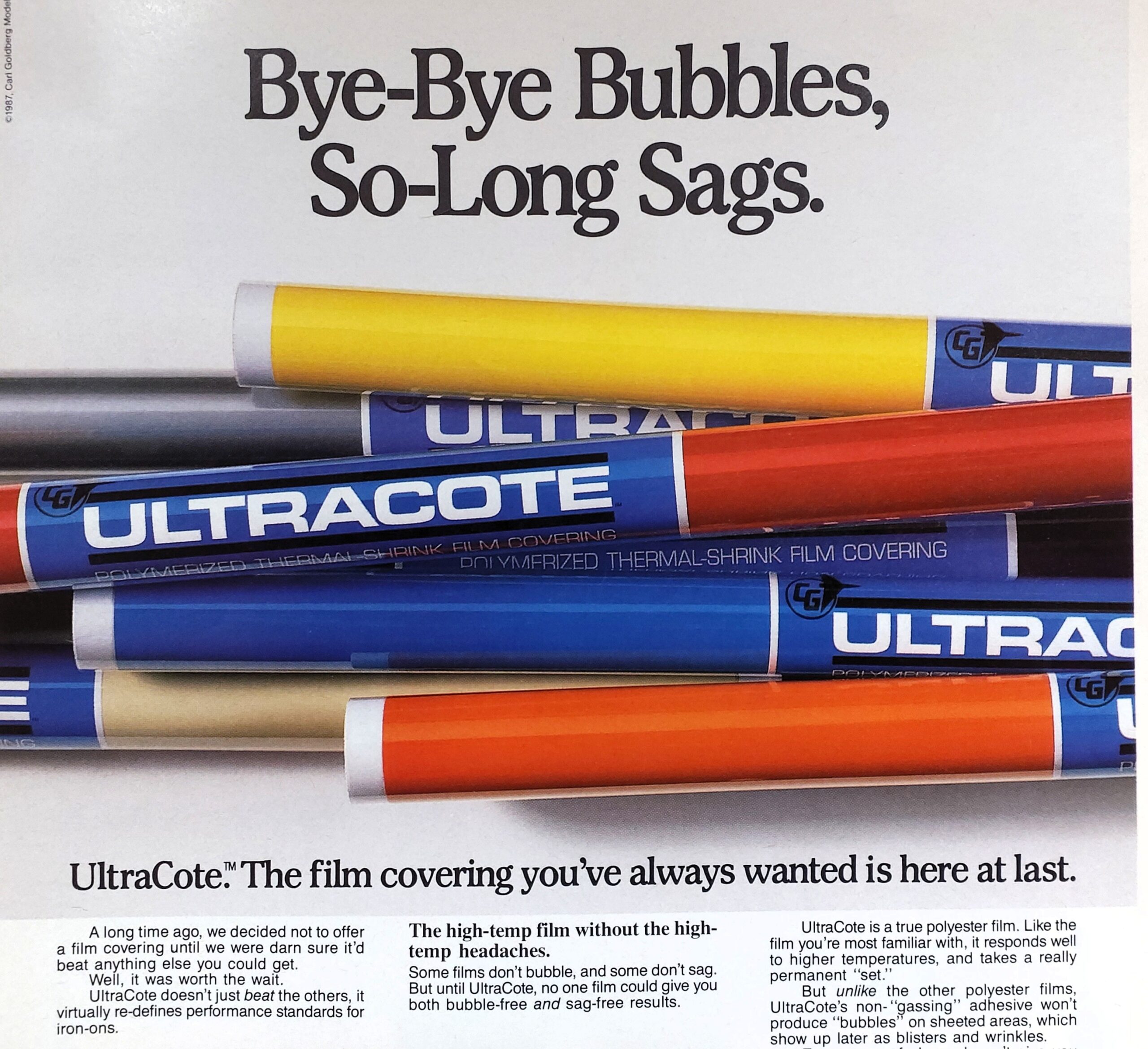
As vice president of Carl Goldberg Models, Dave was responsible for the design and marketing of some of the company’s most popular kits.
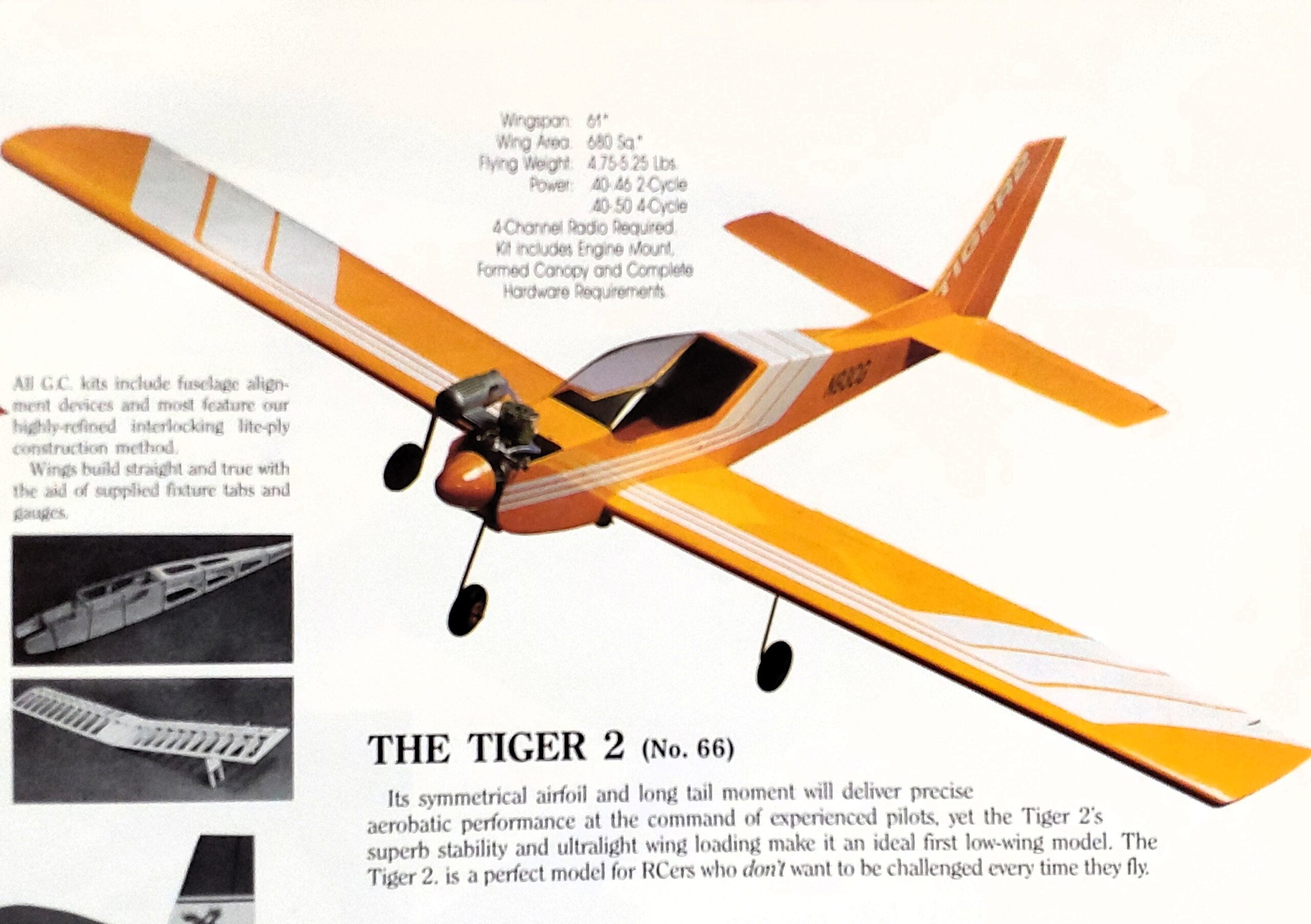
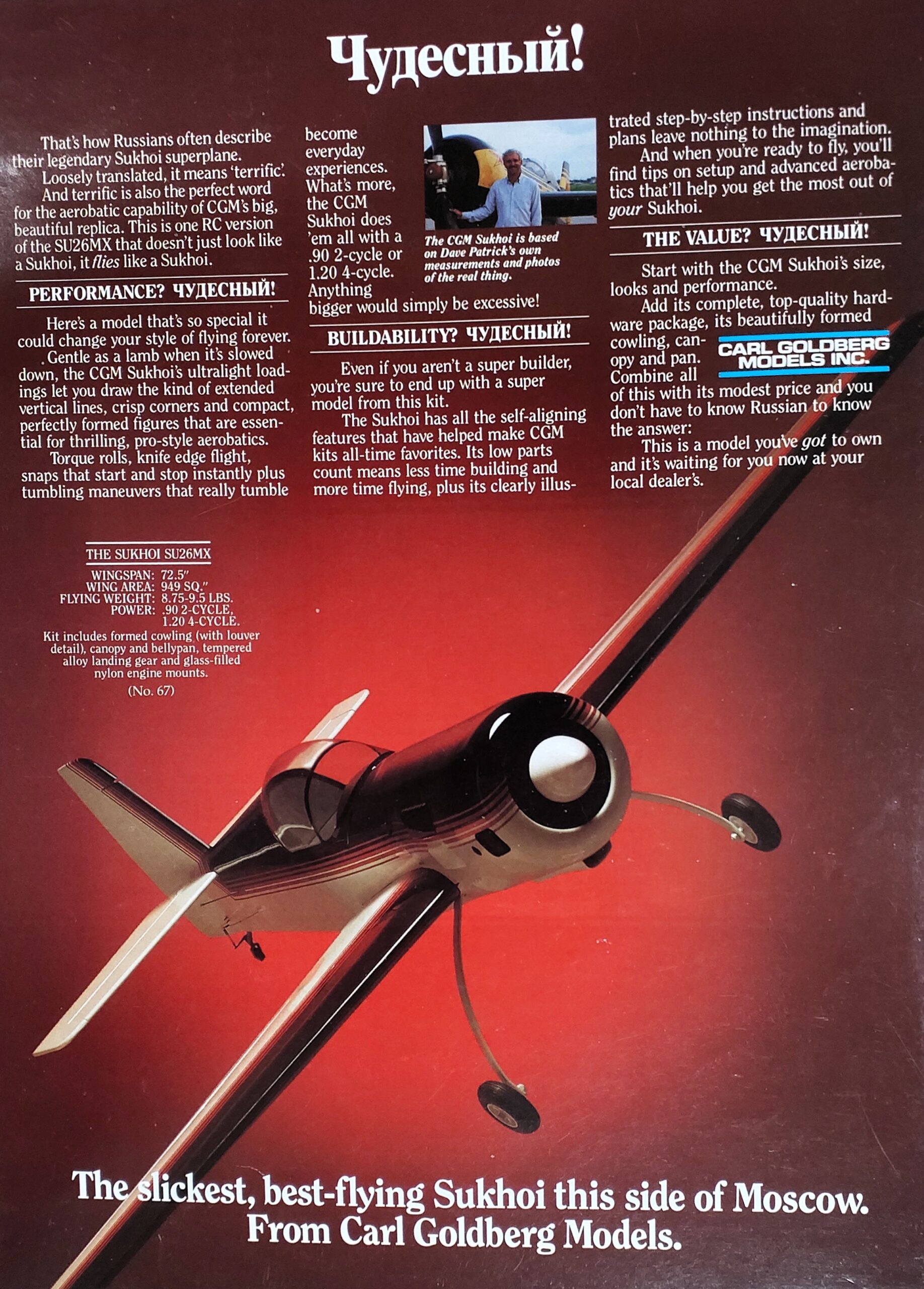
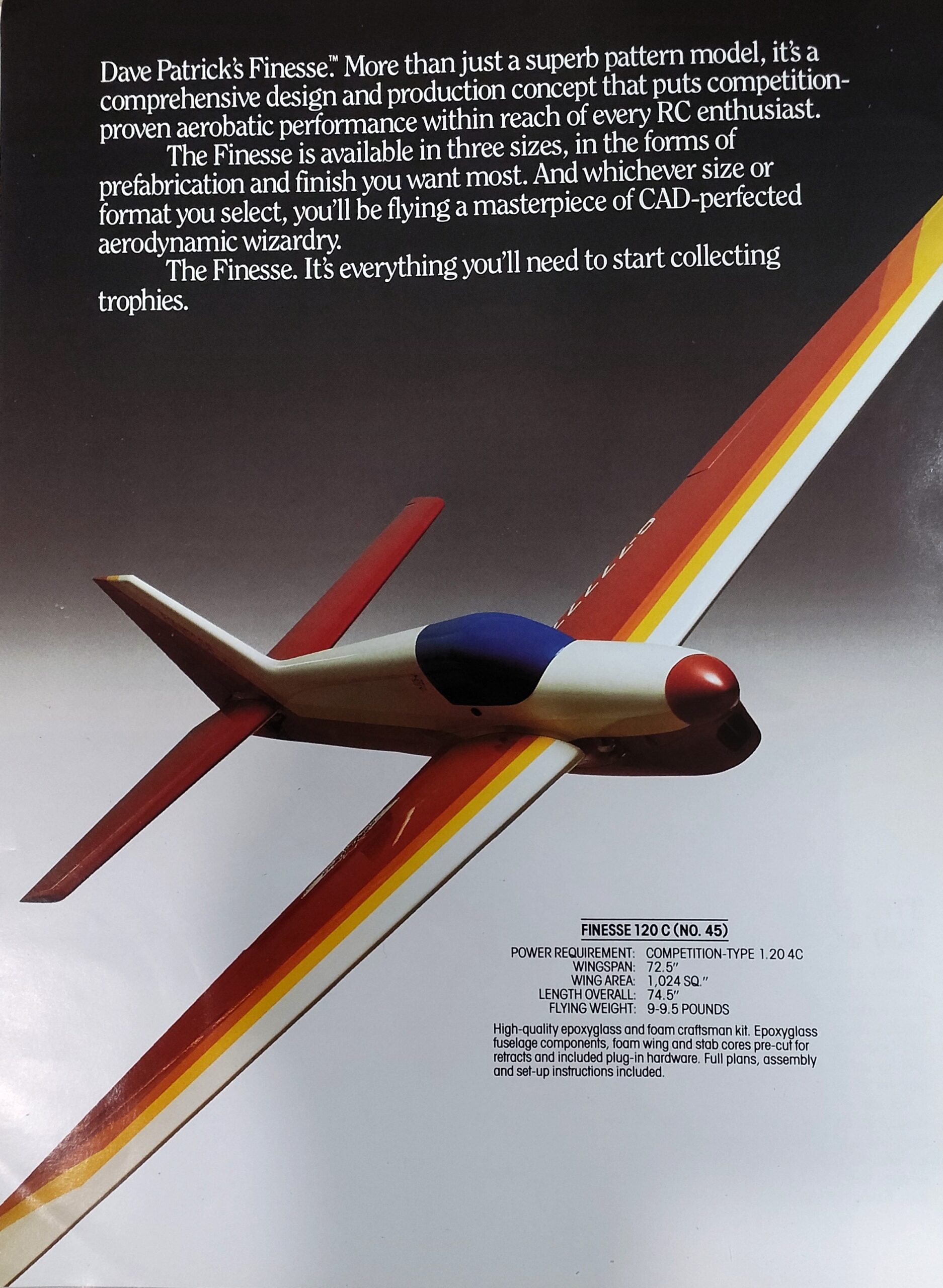
It was a natural extension of his experience as a builder and pilot. Dave understood aircraft not only from the standpoint of competition performance, but also from the perspective of the modeler who had to build, set up, fly, and live with the airplane.
Designing a successful model requires more than creating an airplane that performs well in the hands of an expert. It requires an understanding of handling qualities, construction, reliability, practicality, and value. Dave brought decades of hands-on flying experience to that work and remained committed to making good-flying aircraft accessible to a broad range of pilots.

His aviation experience is not limited to models.
Dave is also an accomplished full-scale pilot with approximately 10,000 hours of flight time. His aviation qualifications include commercial and flight-instructor credentials, along with experience and qualifications in floatplane flying and aircraft maintenance.
That full-scale background adds another dimension to a career already unusually broad in scope.
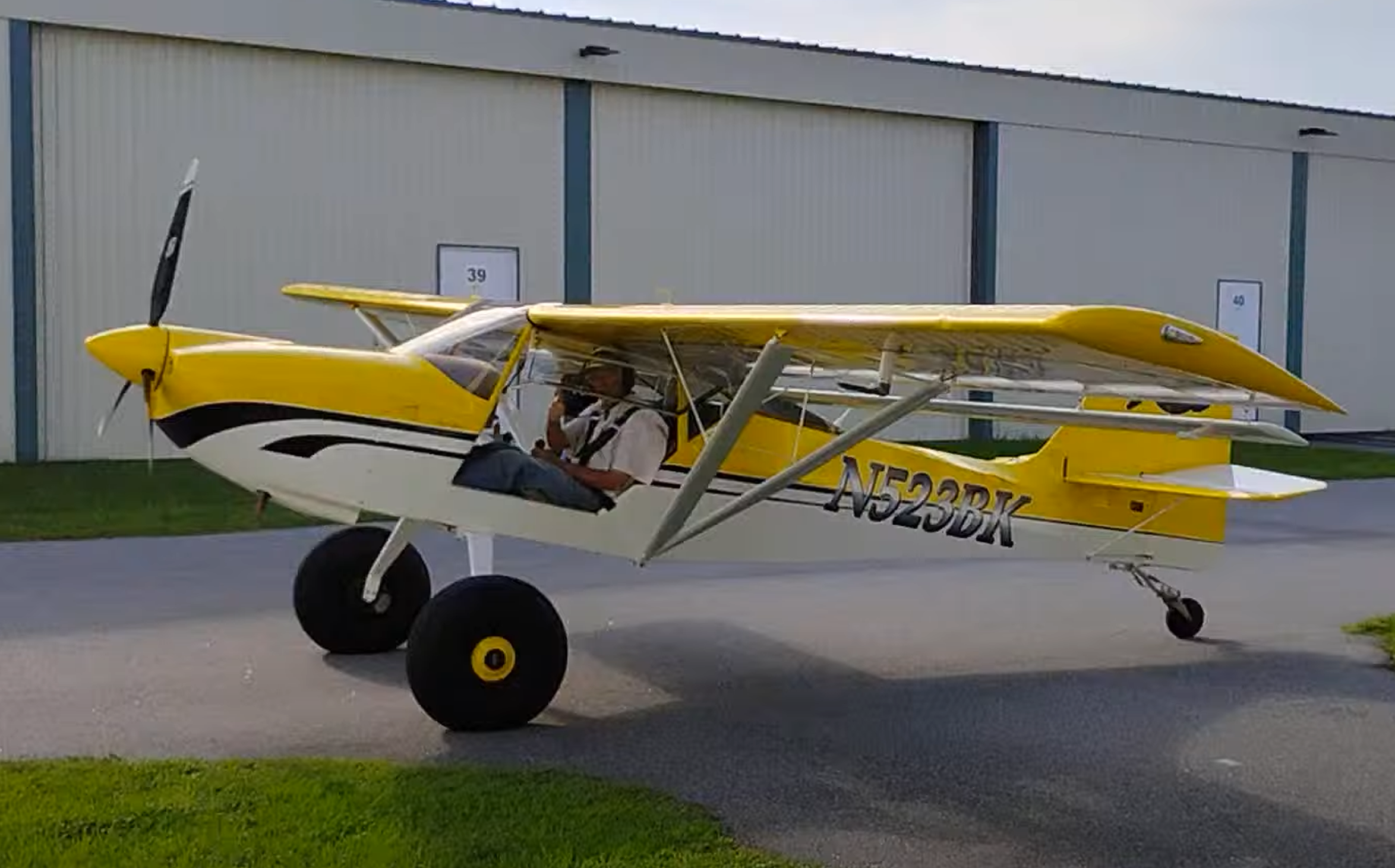
Whether flying from the cockpit or from the ground, the fundamentals remain familiar: know the airplane, stay ahead of it, understand its energy, and make every control input with purpose.
Few aviators have contributed to so many parts of the flying world, or done so over such a long period of time.
Dave has represented his country in international competition, won at the highest levels of RC aerobatics and scale flying, taught generations of pilots, written books and articles, appeared in instructional programs, designed and marketed successful aircraft, performed demonstrations around the world, and accumulated thousands of hours in full-scale aviation.
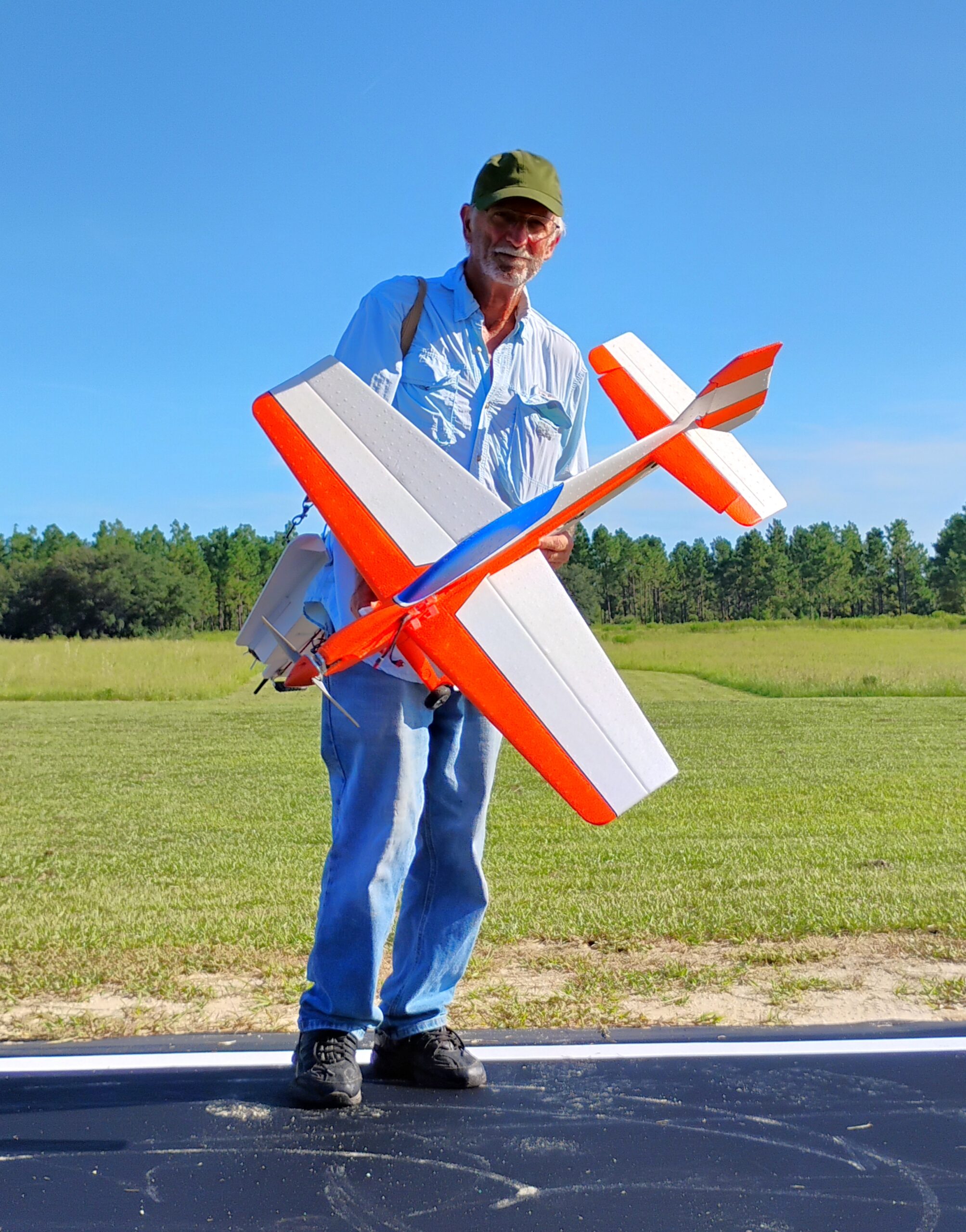
Those accomplishments are impressive on their own. Taken together, they tell a larger story.
Dave’s legacy is not measured only in championships, trophies, records, or hours in a logbook. It can also be found in the pilots he influenced, the airplanes he helped create, the techniques he taught, and the enthusiasm for aviation he passed on to others.
For generations of modelers, Dave demonstrated what disciplined flying could look like at the highest level. Just as importantly, he showed that the knowledge behind that level of flying could be shared.
From a young boy building airplanes in Montreal to an internationally respected competitor, instructor, designer, author, and professional aviator, Dave has spent a lifetime pursuing flight with skill, curiosity, precision, and uncommon dedication.
The airplanes have changed. The radios have changed. The competitions have changed.
The standard Dave brought to flying has not.
And that may be the most enduring measure of his contribution. Championships record what a pilot accomplished on a particular day. Records eventually fall, airplanes change hands, and technology moves forward. But the influence of a truly accomplished aviator lasts much longer.
It lives in the pilots who learned from him, the builders who flew airplanes he helped create, the competitors who measured themselves against his standard, and the countless modelers who discovered that better flying was something worth pursuing.
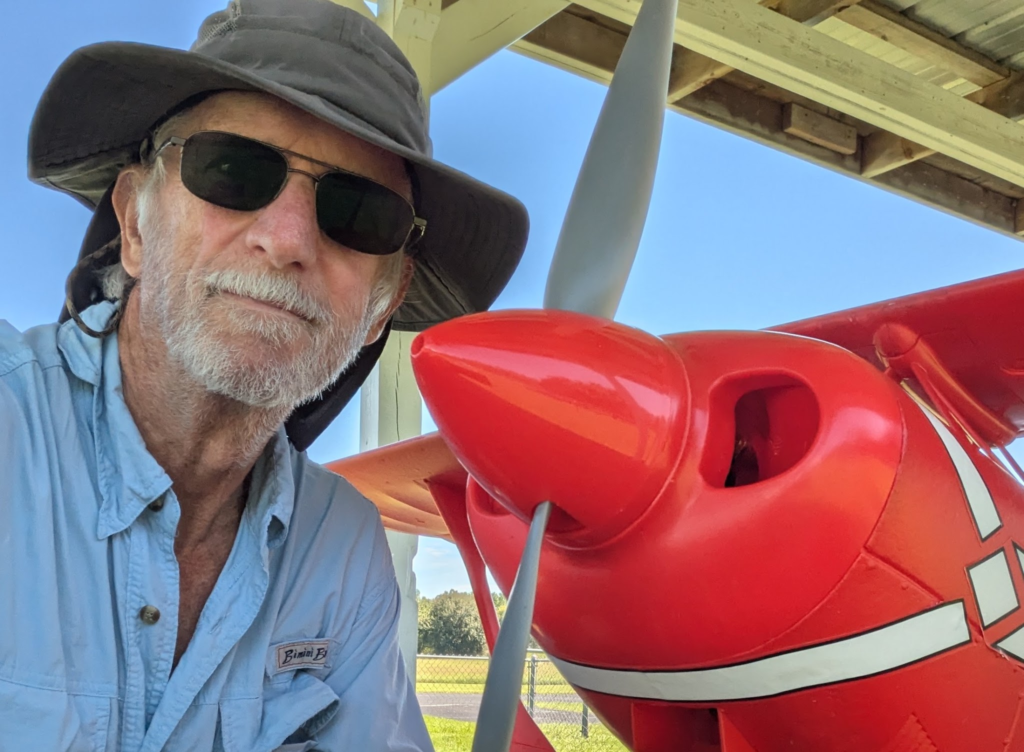
For more than a lifetime in aviation, Dave Patrick has not simply participated in the sport. He has helped define what excellence in it can look like.
And for those who continue to build, fly, compete, and work to make the next flight a little better than the last, Dave’s stellar example remains one absolutely worth following.
Written by: Elena Hartwell
Have Questions?
Contact us about visiting the field, learning to fly, upcoming events, or club membership. We look forward to connecting with you.